The 7 most common causes of breakdowns in your Mercedes-Benz 107
The 7 most common causes of breakdowns in your Mercedes-Benz 107
A well-maintained Mercedes-Benz R107 or C107 will take you thousands of kilometres without a single worry. Unfortunately, deferred maintenance is a common issue with many of these cars, and the consequences can be significant.
The Mercedes-Benz SL (R107) and SLC (C107) models are renowned for their reliability, and for good reason. A car that is in sound technical condition will rarely let you down. However, many official brand workshops no longer have the knowledge and experience needed to diagnose and proactively address the issues that come with these ageing classics. This can lead to problems even at your trusted dealer.
This article outlines the most common issues we encounter in our workshop on a daily basis. They are listed in no particular order and are not ranked by importance. To address these issues preventively, before they become problems, Terrijn Classics developed the Mercedes-Benz Health Check. You can find more information about this at the bottom of this page. If you are looking for a broader overview of the different R107 generations, be sure to explore our R107 model overview.
1. fuel pump assembly
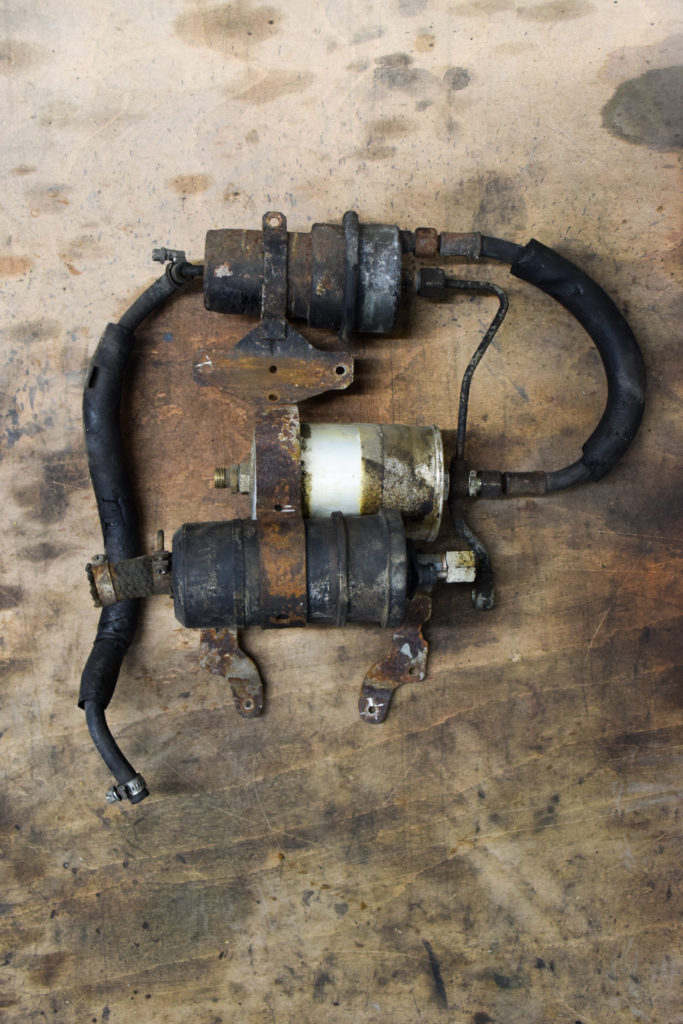
The fuel pump assembly is a combination of several important components:
The fuel pump, which supplies petrol to the engine
The accumulator, which monitors fuel pressure
The fuel filter
A series of rubber hoses
The assembly is mounted at the bottom of the car, where it is exposed to rain, wind, and flying debris. As a Mercedes R107 specialist, we regularly encounter problems caused by pumps that fail internally or aged hoses that begin to leak. A faulty accumulator, meanwhile, can cause the engine to start poorly or not at all, and to run unevenly.
2. timing chain
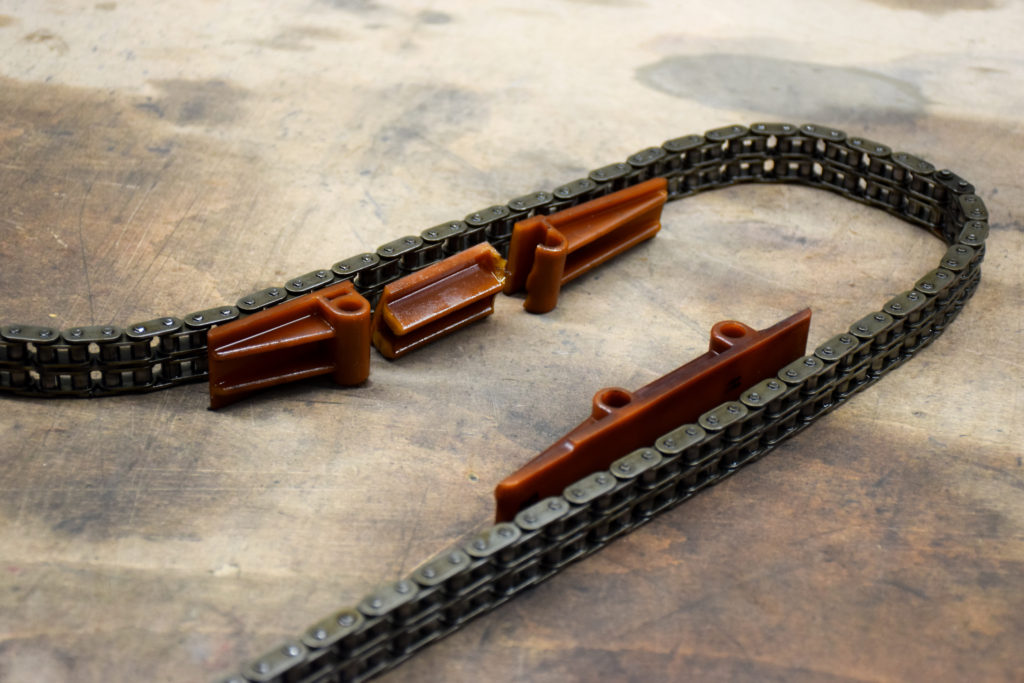
Timing chain issues affect all V8 engines, specifically the 350, 380, 420, 450, 500, and 560 models. Only the 280 and 300 models are spared.
The timing chain, and particularly its guides, will typically last 20 years without problems. As a result, most workshops are unfamiliar with the issues that can arise. Since these chains have usually never been replaced and are now over thirty years old, chain stretch is often present, causing the engine to run poorly. Even more frequently, the guides have become brittle over the years. They can break off and fall onto the timing chain, potentially causing catastrophic engine damage. We now routinely carry out a preventive inspection of every V8 engine that enters our workshop for the first time. In one out of every three engines inspected, an urgent repair is required.
3. brake system
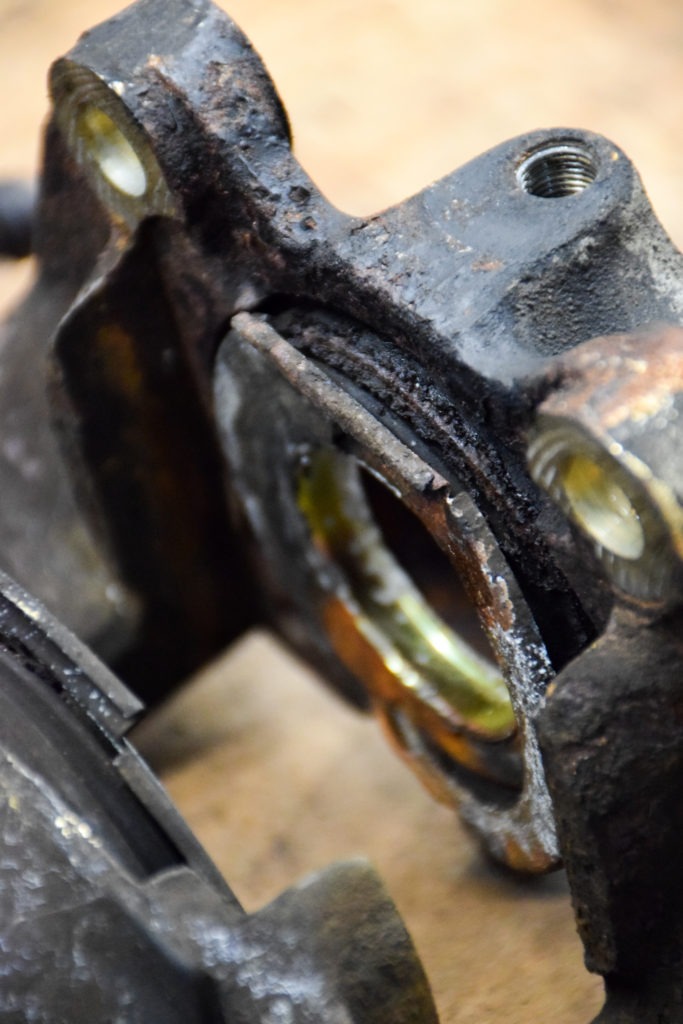
The brake system can also be a source of breakdowns, primarily due to ageing brake callipers. The rubber seals inside these callipers harden and seize up, particularly in cars that have been standing for extended periods. When you start driving again, this can lead to leaks or overheating brakes, causing a sudden loss of braking performance. A dangerous situation, and one that will leave you stranded.
Early warning signs include squealing or dragging brakes. This is easy to test: put your car in neutral with the handbrake off and push it gently. It should move freely without resistance.
4. injection issues
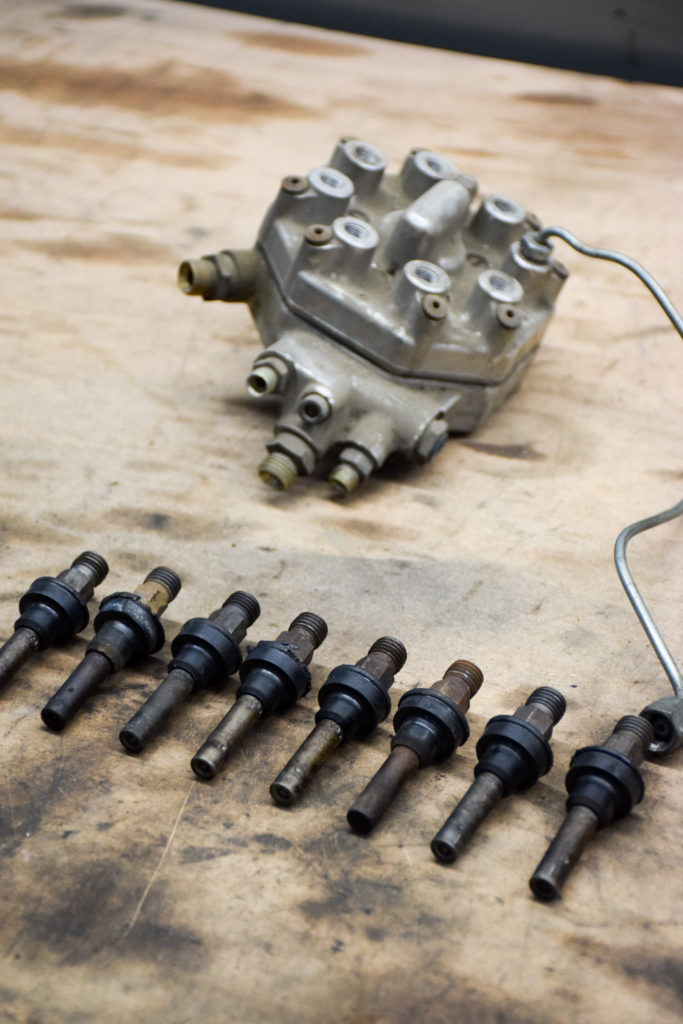
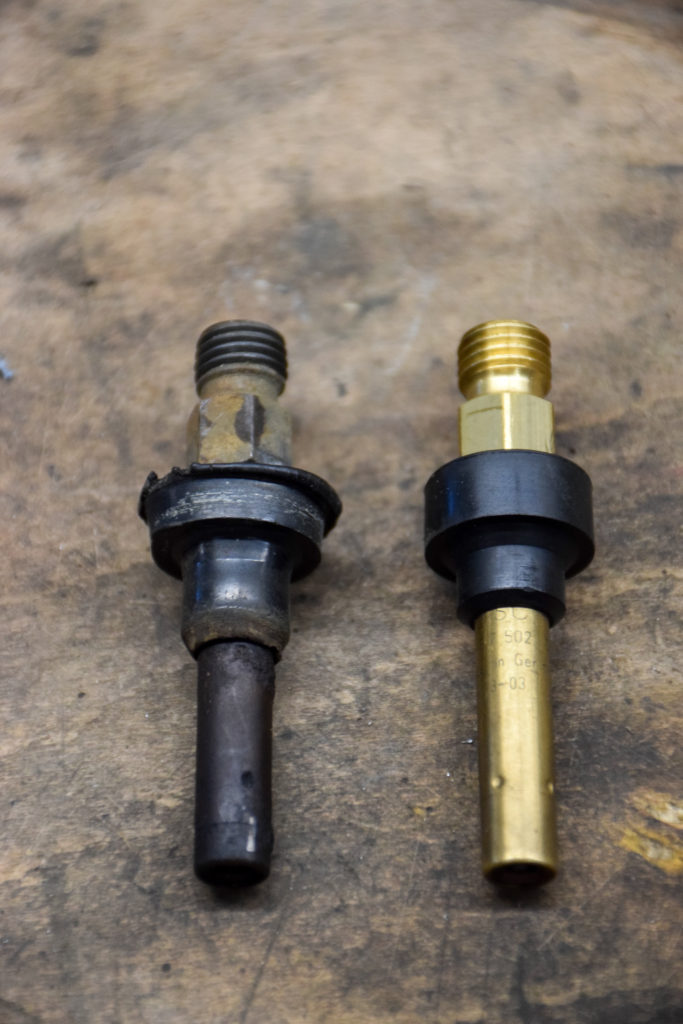
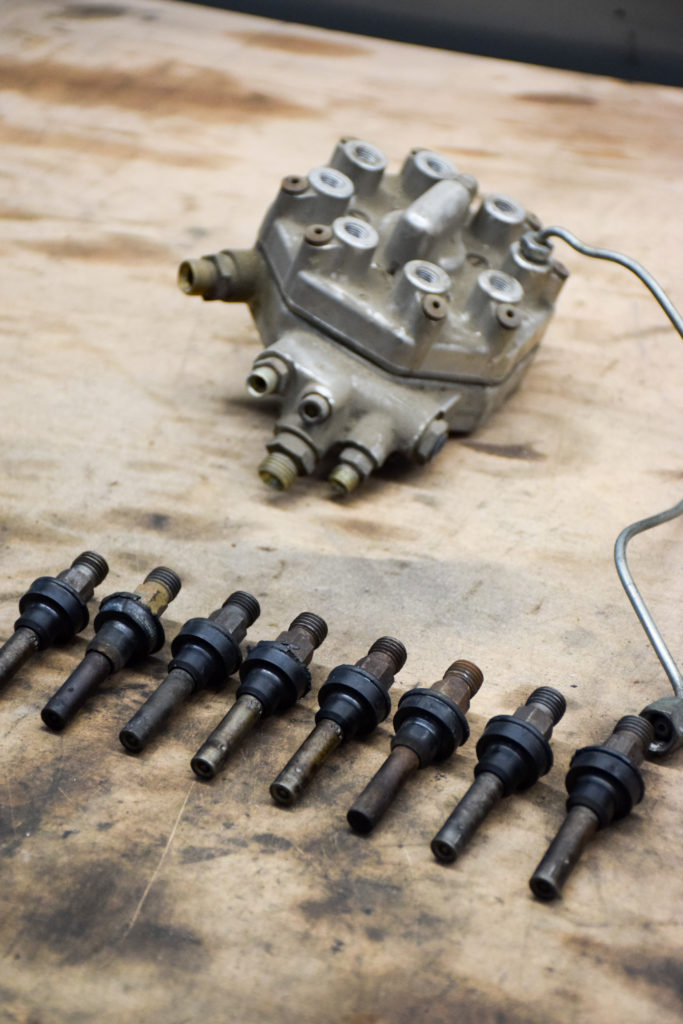
This applies to all injection systems used throughout the production run. D-Jetronic was fitted up to 1976, K-Jetronic was used in cars built between 1976 and 1985, KE-Jetronic was used from 1985 until the end of production. Each system has its own strengths and weaknesses, and is technically very capable when in good condition. Age, however, takes its toll and these systems often require various repairs to remain reliable.
D-Jetronic can be considered the most technically reliable of the three. In some cases, problems may arise with the control unit, injectors, or relays. Generally speaking, however, complex issues are rare. That said, this system is prone to very dangerous fuel leaks on top of the engine, which can result in an engine fire. On these cars, it is therefore essential to preventively inspect and replace all rubber fuel lines where necessary.
K-Jetronic and KE-Jetronic are broadly similar to each other and can suffer from a wide range of problems, including rough running, difficult cold or warm starting, power loss, incorrect idle speed, and fuel leaks. With these systems, it is particularly important to make the correct diagnosis before replacing any components. Specialized knowledge and hands-on experience with these systems has become increasingly rare. As a result, we have had customers come to us from as far as Bordeaux and Lyon to resolve a complex injection problem.
5. leaks and aged hoses
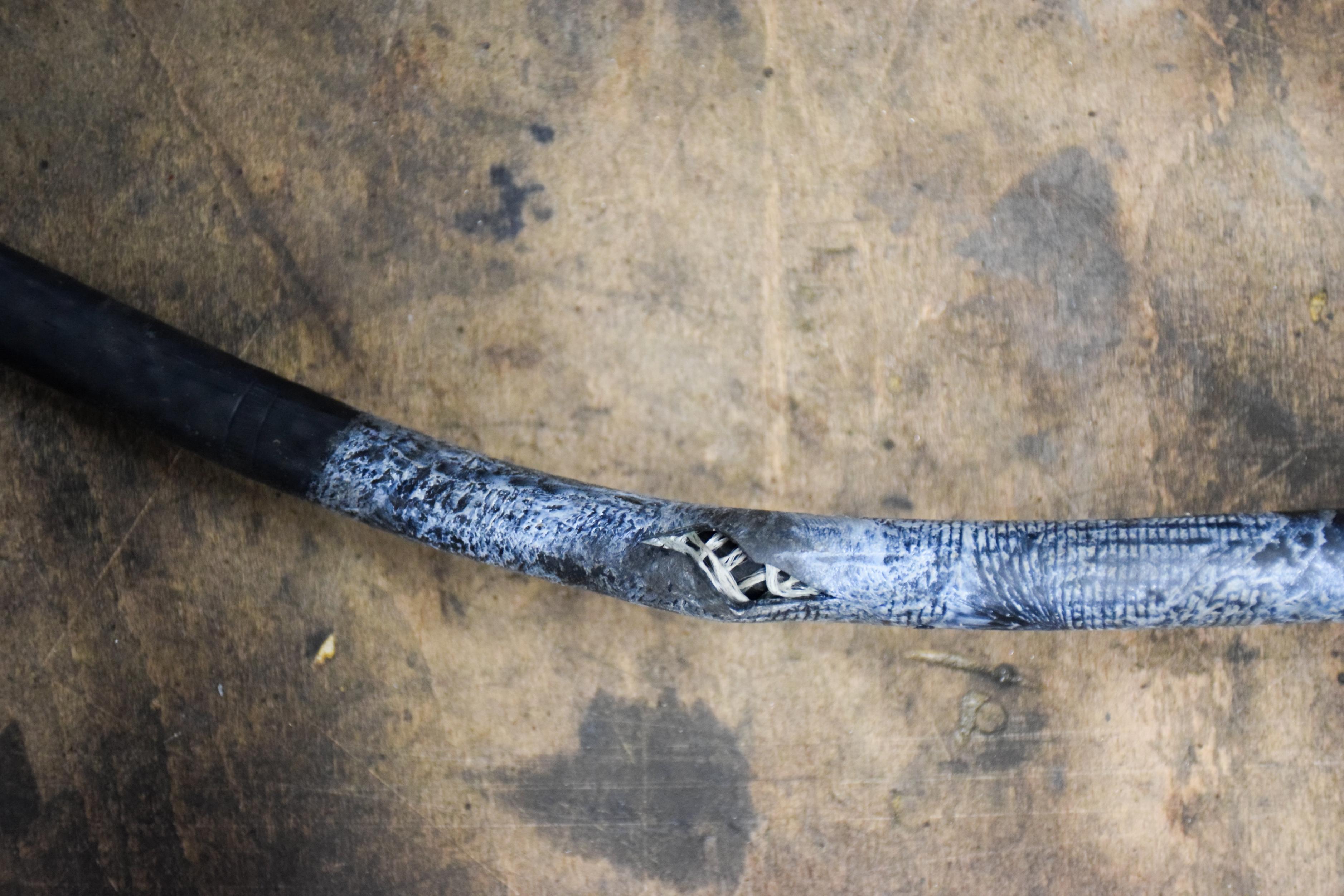
This is an issue common to all older vehicles. Rubber hoses age over time and are rarely inspected systematically for deterioration. This includes coolant hoses, power steering hoses, gearbox cooling hoses, and more. As the rubber hardens and cracks, a gearbox cooling hose can fail suddenly, causing an immediate breakdown and potentially damaging the gearbox. A leaking coolant hose will cause the engine to overheat, leaving you stranded at the roadside. As always, preventive and targeted inspection is the key to avoiding these problems.
6. water pump
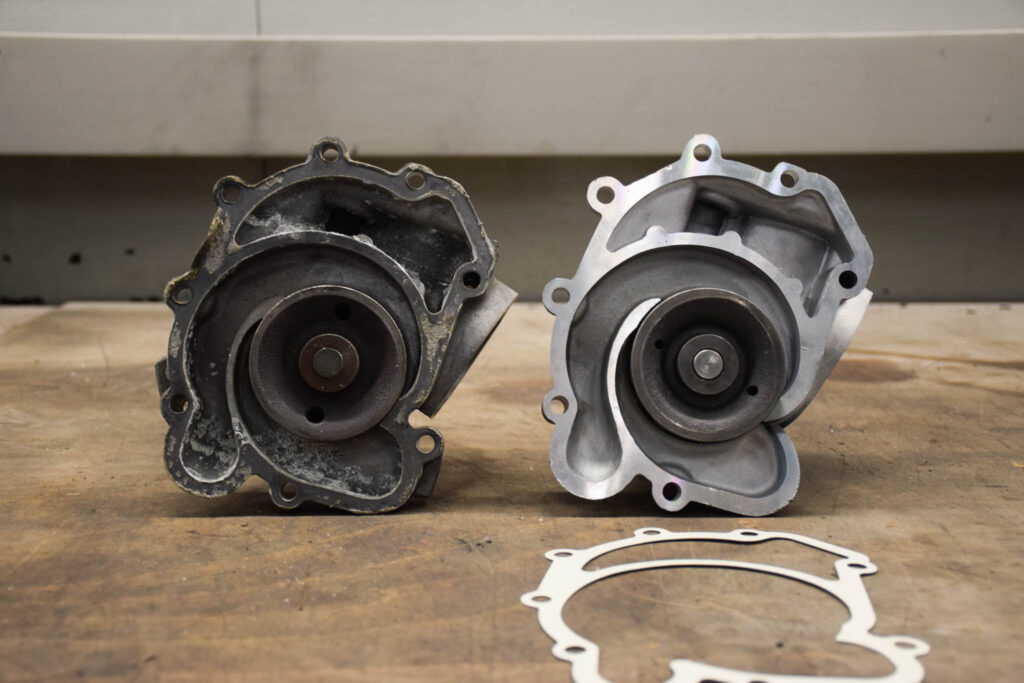
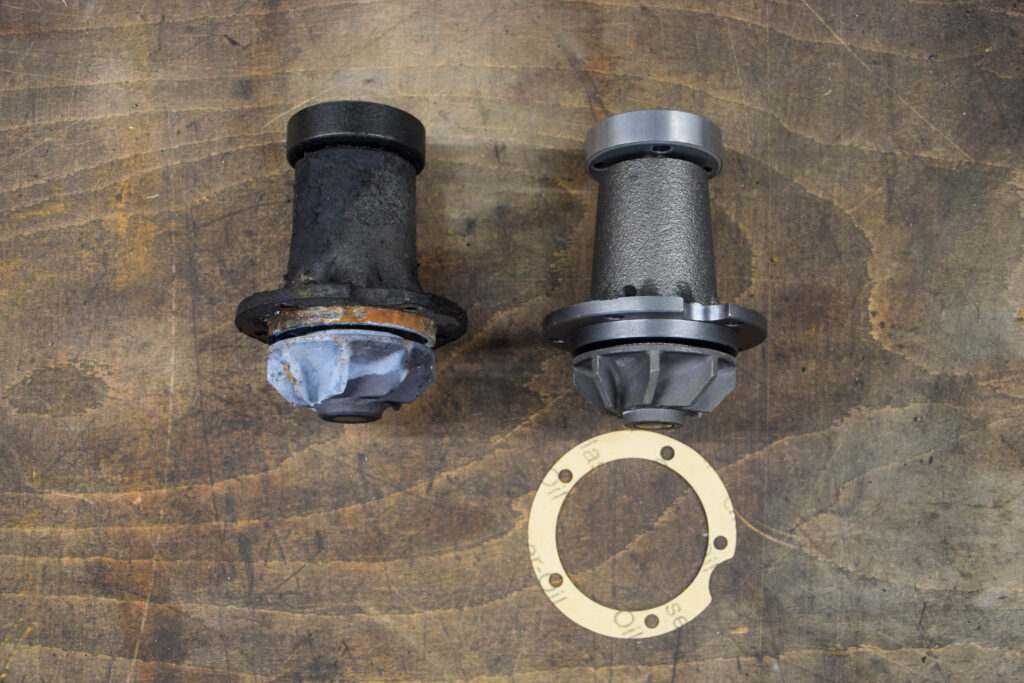
This is a component that affects virtually all engine variants in the Mercedes-Benz R107. The water pump circulates coolant through the cooling system, and a preventive replacement is often overlooked because wear is not visible. These pumps are frequently several decades old.
In practice, we regularly see the water pump cause problems in both the six- and eight-cylinder 107 engines, often resulting in a breakdown. It typically starts with a single drop of water on the ground beneath the front of the engine. This can seem harmless and is often left unnoticed or simply ignored. In our experience, however, once a water pump starts to leak, even one drop, things can escalate quickly. From that first drop, it often takes no more than 100 kilometres before it becomes a stream and the car can no longer be driven.
As a Mercedes-Benz 107 specialist, we pay particular attention to this component. In some cases, we recommend a preventive replacement of an old water pump to minimise the risk. Especially for customers planning a longer journey or road trip. We also always check for any signs of an early-stage water leak.
7. fuel pump relay
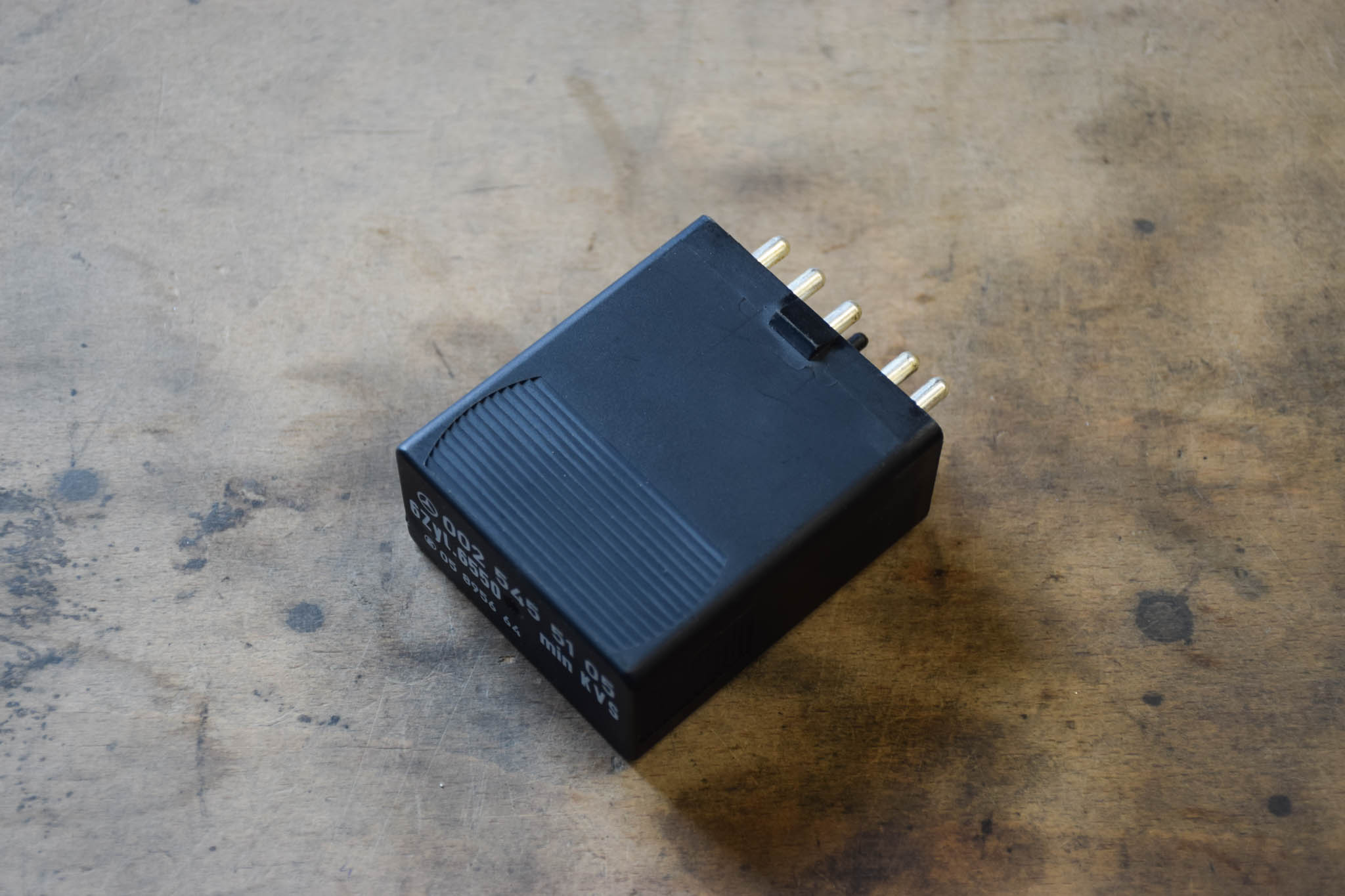
The fuel pump relay is a small but critically important component. Not only in the R107 and C107, but in virtually all Mercedes-Benz classic models from the 1970s and 1980s. This relay activates the fuel pumps and ensures that fuel reaches the front of the engine. If it fails, the engine will not start. You will hear the starter motor turning, but the engine will not fire. A breakdown, in other words.
We regularly recommend a preventive replacement of this component to avoid problems. Models from 1980 onwards are the most susceptible. From that year, the relay incorporates a number of electronic components, making them more sensitive than the earlier versions. With the older variants, we encounter this problem less frequently.
Other typical problem areas
The issues below will not typically cause an immediate breakdown, but should certainly not be underestimated. They often develop gradually and remain under the radar for a long time until the impact suddenly becomes significant. These include rust formation and deferred maintenance of the engine and gearbox, both of which can ultimately lead to substantial costs and extensive repairs.
Rust: the true '107-killer'
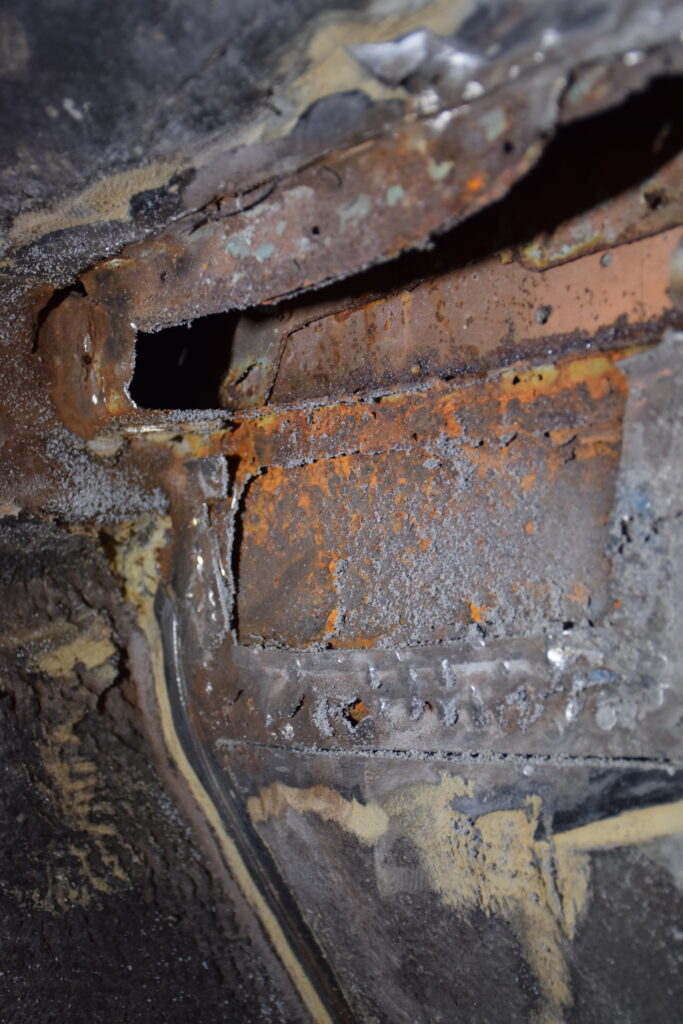
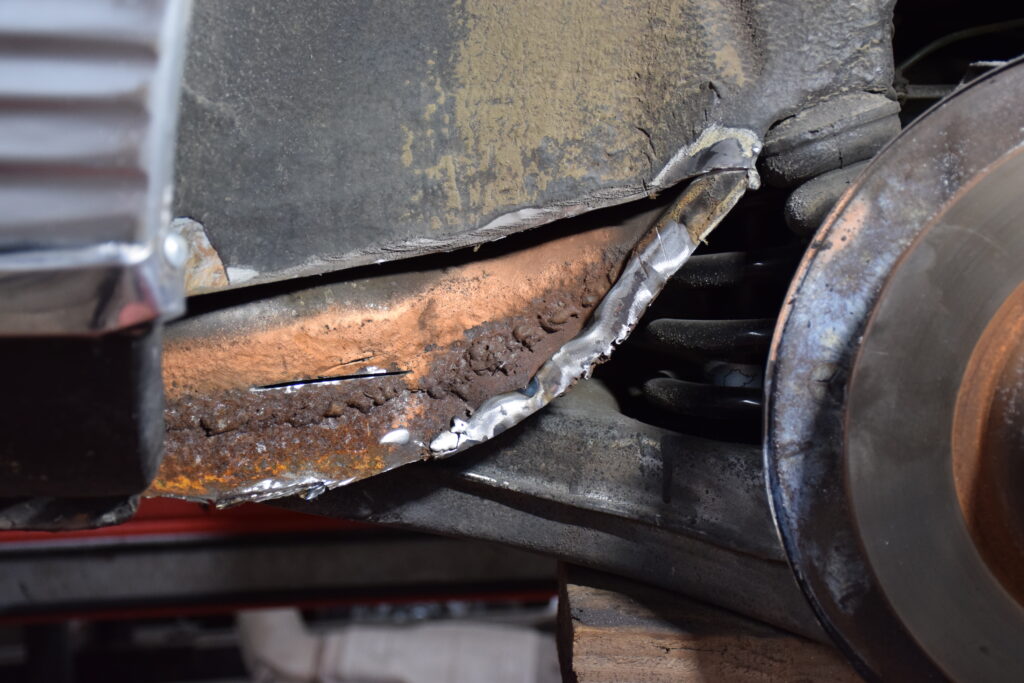
Rust rarely causes a breakdown, but it can be a real ‘107-killer’. Like all cars of that era, the Mercedes-Benz is not immune. Advanced rust can be extremely expensive to repair properly, to the point where some owners decide it is no longer worth the investment. The most important thing when it comes to rust is simply knowing it is there. A rust spot discovered early can be treated in a couple of hours of work. That same spot discovered two or three years later can easily require fifteen hours of quality repair work.
The Mercedes-Benz 107 is prone to rust in a number of specific areas. The rear bumper on European models is frequently problematic. The front and rear sills also show rust on a regular basis. The typical water drainage channels at the front of the car are another common weak point. Additional areas to watch include the rear wings, the front wings near the headlights, the rubber seal around the soft-top storage compartment, the front floor panels, and the boot floor. The bulkhead between the engine bay and the interior can, in some cases, rust through completely, particularly in cars that have spent a lot of time in damp conditions. As a Mercedes R107 specialist, we consistently see the same problem areas coming back.
A Mercedes 107 that has been properly inspected and treated for rust can handle all weather conditions. Regular follow-up is important, however any surface rust that appears should be addressed promptly.
Keep the engine and gearbox properly maintained
Deferred maintenance is often an issue with cars that are brought back to life after a period of extended standstill, or with cars that have been in the hands of an owner who has been running them on a tight budget. It is also common in cars that have been serviced by workshops that, often with the best of intentions, simply do not have sufficient experience with these vehicles. For this reason, Terrijn Classics has developed a model-specific checklist, which we use to systematically check all key points during every service.
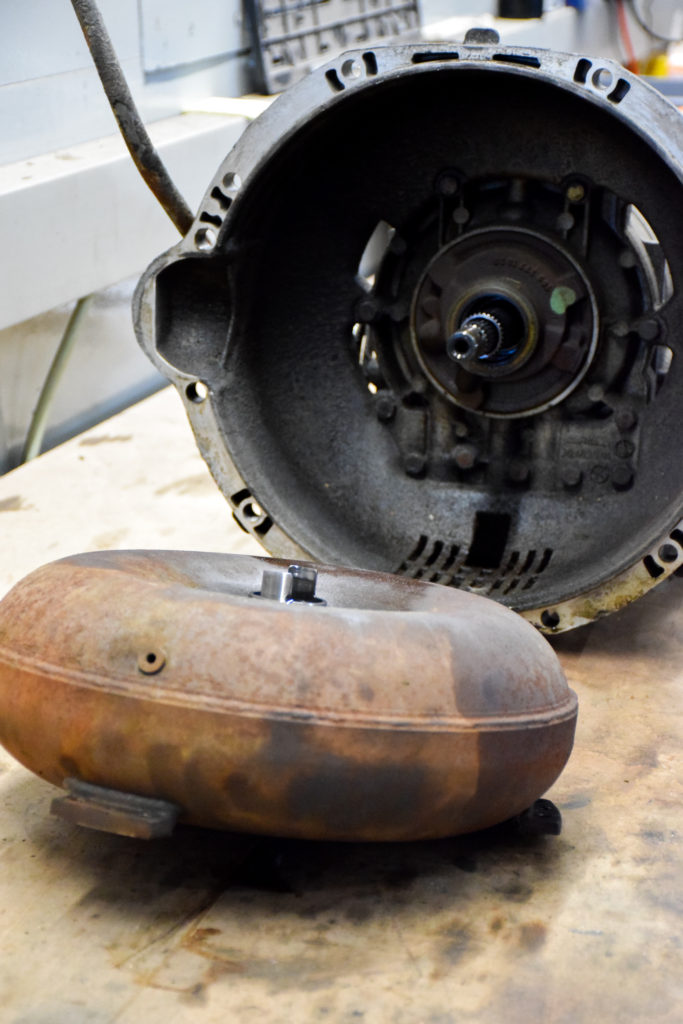
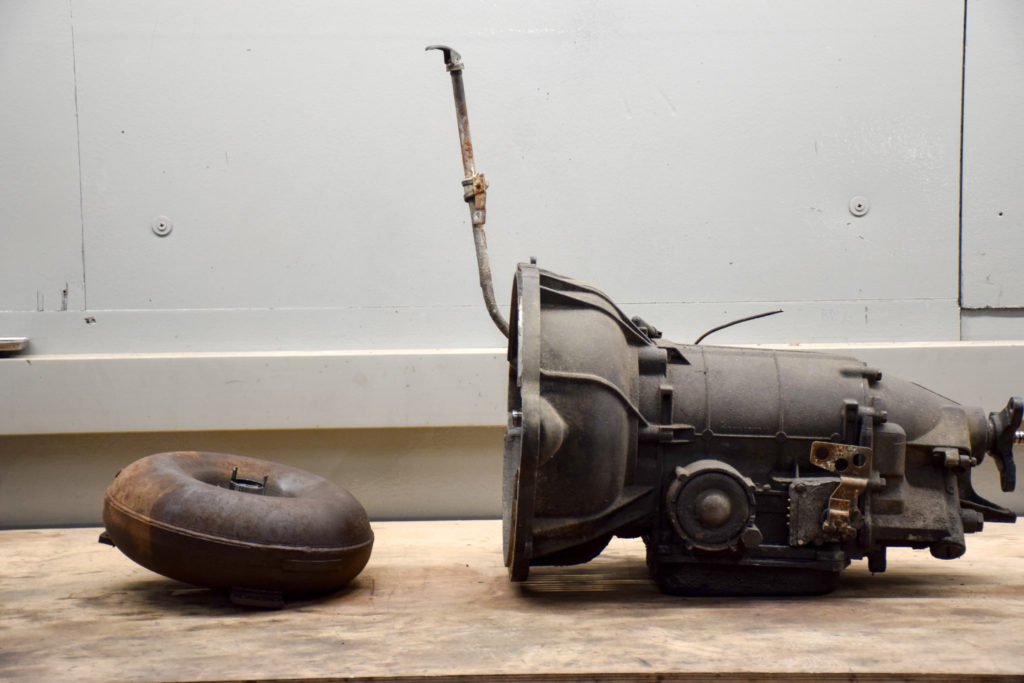
Mercedes-Benz recommends engine maintenance every 7,500 km or every two years, whichever comes first. Gearbox maintenance is required only once every five years, which means it is often forgotten, leading to problems such as rough or abrupt gear changes and accelerated wear.
Servicing a Mercedes-Benz systematically and with the right expertise can prevent many problems and the costs that come with them. For owners who are unsure when their engine and gearbox were last serviced, we recommend carrying out maintenance on both. This gives you a clean slate and a clear reference point going forward. It is important to entrust this work to a Mercedes R107 specialist. Our hands-on experience with these cars means we know the typical weak points of this model, allowing us to work preventively and stay ahead of potential issues.
Terrijn Classics Health Check
The Mercedes-Benz R107 and C107 are exceptionally well-built and reliable cars, capable of providing years of driving pleasure. Their age, however, means that certain issues will inevitably surface if they are not maintained systematically over the years. Specialist knowledge and experience with this model are therefore the key to reliable, trouble-free driving.
Not sure whether your car is in top condition? At Terrijn Classics, we developed the Health Check: a tailored inspection designed specifically for Mercedes-Benz classic owners who want to know exactly where their car stands. Interested in our Health Check and would you like to find out more? Visit the Health Check page and leave your details so that we can get in touch.